Sold Out
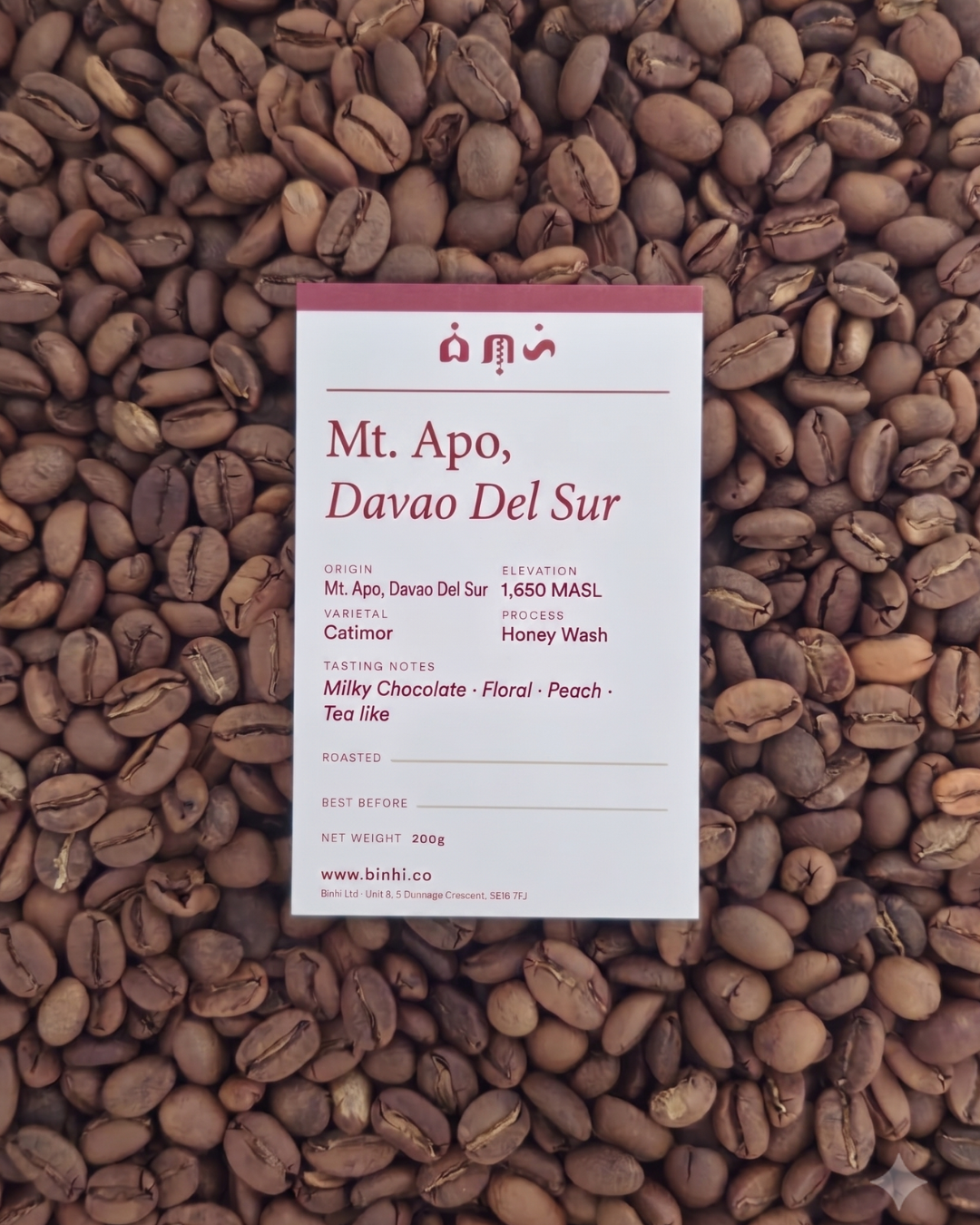
Mindanao
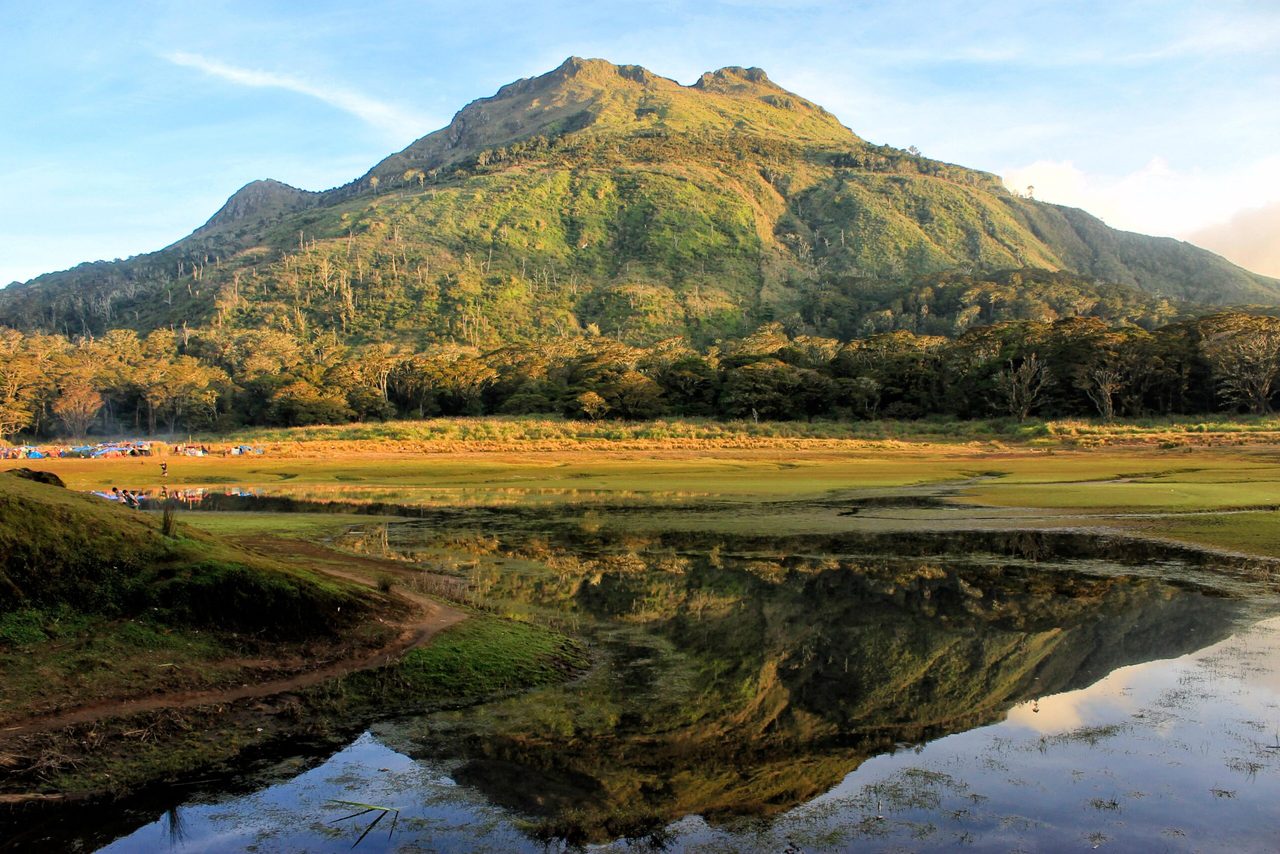
On the volcanic slopes of Mount Apo — at 2,954 meters, the tallest mountain and highest volcano in the Philippines
On the volcanic slopes of Mount Apo — at 2,954 meters, the tallest mountain and highest volcano in the Philippines — coffee grows in Sitio Balutakay, Barangay Managa, in the municipality of Bansalan, Davao del Sur, Southern Mindanao — a remote upland community better known as a jump-off point to the mountain than as a farming village, where the surrounding highlands form part of Mt. Apo Natural Park, a protected biodiversity reserve that shelters rare plants, endemic wildlife, and the critically endangered Philippine Eagle.
The coffee from this origin is grown by smallholder farmer-families working steep, misty plots on the foothills of Mt. Apo — land they know intimately, most of it no larger than a few hectares. Where farmers once subsisted on volatile vegetable crops like cabbage and carrots — clearing rainforest and exhausting the soil in the process — coffee has become one of the most sustainable livelihoods available in this part of Davao del Sur, anchoring the volcanic soil, supporting farming households, and keeping younger generations connected to land their families have worked for decades. Many of these farmers come from Lumad Indigenous communities.
The farming community is organized through the Balutakay Coffee Farmers Association, known as BACOFA, which has grown from 19 founding members in 2013 to a cooperative of roughly 200 member-farmers cultivating smallholder plots across the slopes of Mt. Apo. Founded with support from the Kapwa Upliftment Foundation, the cooperative handles the full post-harvest chain — from cherry intake through depulping, drying, sorting, and milling — operating its own processing center on-site, giving the community control over quality from cherry to exportable green.
Processing here spans the full range of methods: washed, natural, and honey. Farmers from this origin have become the most decorated in the country, repeatedly sweeping the top placements in the Arabica category of the Philippine Coffee Quality Competition (PCQC) — taking five of six winning lots in 2021, and placing seven of the Top 12 from Davao del Sur in 2023 — a signal of just how far this community has pushed the quality of Philippine coffee. Every lot traces back to real names, real hillsides, and a real community investment in doing this well.
Elevation: 1,200–1,700 masl, in the cool highland belt on Mt. Apo's slopes that slows cherry maturation and concentrates flavor
Soil: Dark, rich volcanic soil — a gift from the dormant giant above, ideal for premium Arabica
Climate: A perpetually cool, misty highland microclimate that creates a slow-ripening environment for the cherries
Ecosystem: Grown on the flanks of Mt. Apo Natural Park, a protected biodiversity reserve, sharing its landscape with rare plants, endemic wildlife, and the Philippine Eagle
This combination — volcanic soil, high elevation, and a protected mountain ecosystem — is what gives this origin its distinct character. It's not a coffee that could be grown just anywhere.
Farmers here cultivate several Arabica varieties, each suited to different microplots and elevations across the hillside:
Catimor — a hardier, disease-resistant Arabica cross that forms the backbone of the region and produces the majority of Balutakay's award-winning lots.
Typica — one of the oldest Arabica varieties in the world, prized for a clean, complex, naturally sweet cup.
Bourbon — including Yellow Bourbon, which farmers have processed anaerobically to notes of butterscotch, citrus, and chocolate.
Mundo Novo — a Bourbon-Typica cross grown across the community, its profile shaped by the local soil, climate, and altitude.
Depending on the harvest and the farmer, coffees are processed washed, natural, or honey — giving even the same variety a range of expressions from one lot to the next.
Across these varieties, expect a cup profile shaped by the terroir and processing of each lot. Typical notes run to gentle sweetness, citrus, floral nuances, and occasionally nutty or chocolate character. Confirmed tasting notes from Balutakay lots include pineapple, mango, black currant, and honey from natural-processed lots; caramel, orange peel, cinnamon, almond, and black tea from honey-processed Catimor; and sweet honey, delicate rose, and bright apricot from others. One celebrated Balutakay lot, dubbed "Citrus Sparkle," has even shown an exceptional balance of acidity and sweetness, with vibrant citric brightness, lemon, and a smooth nutty finish that lingers.
From this origin
Keep Exploring
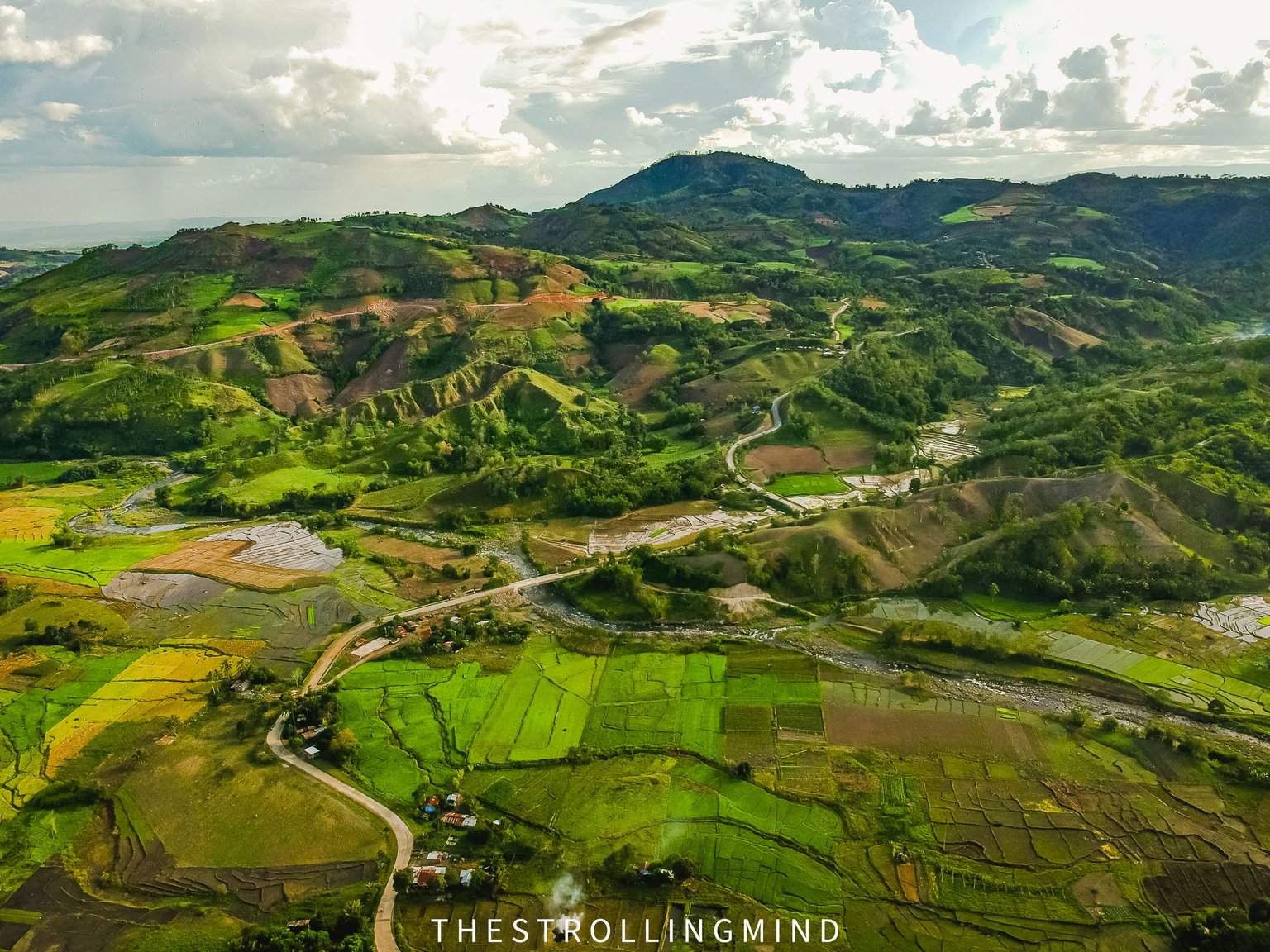
Volcanic soil, biodiverse forest, and Indigenous farming heritage at the foothills of Kalatungan.
Explore →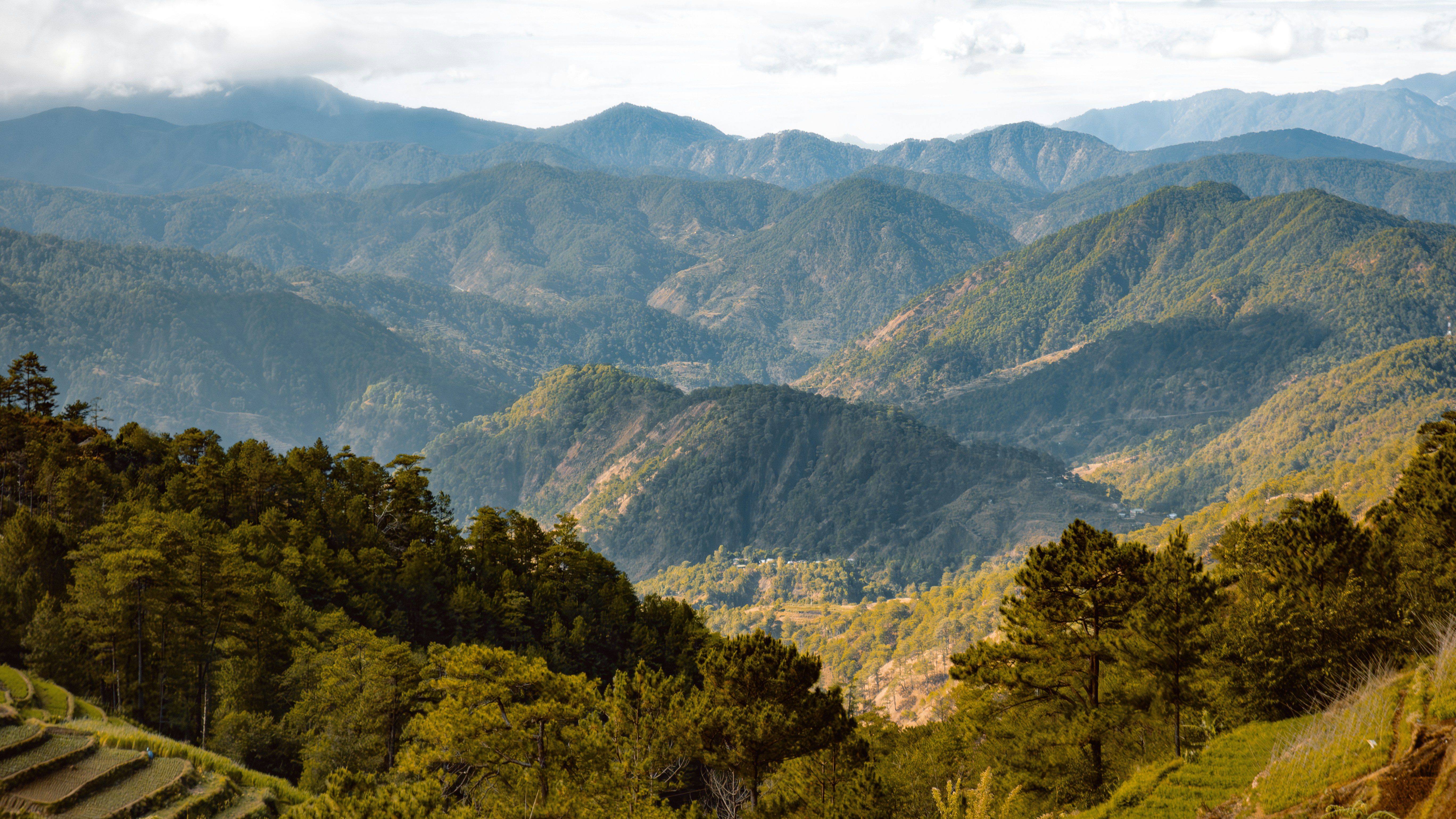
One of the Philippines' oldest Arabica traditions — an Ark of Taste heritage coffee from the Igorot highlands of Benguet.
Explore →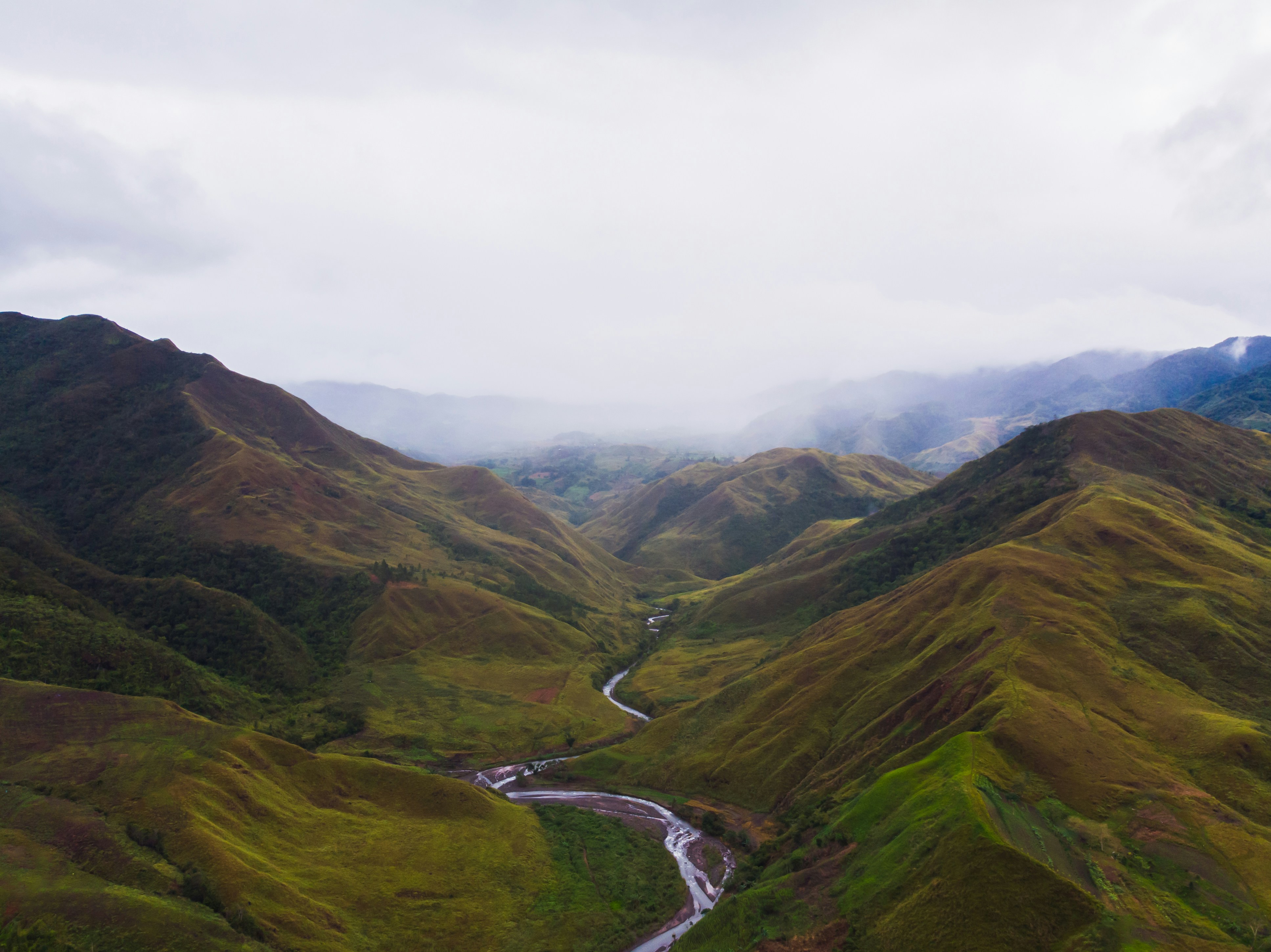
Coffee from the Talaandig ancestral highlands, grown in the sheltered valley between Kitanglad and Kalatungan.
Explore →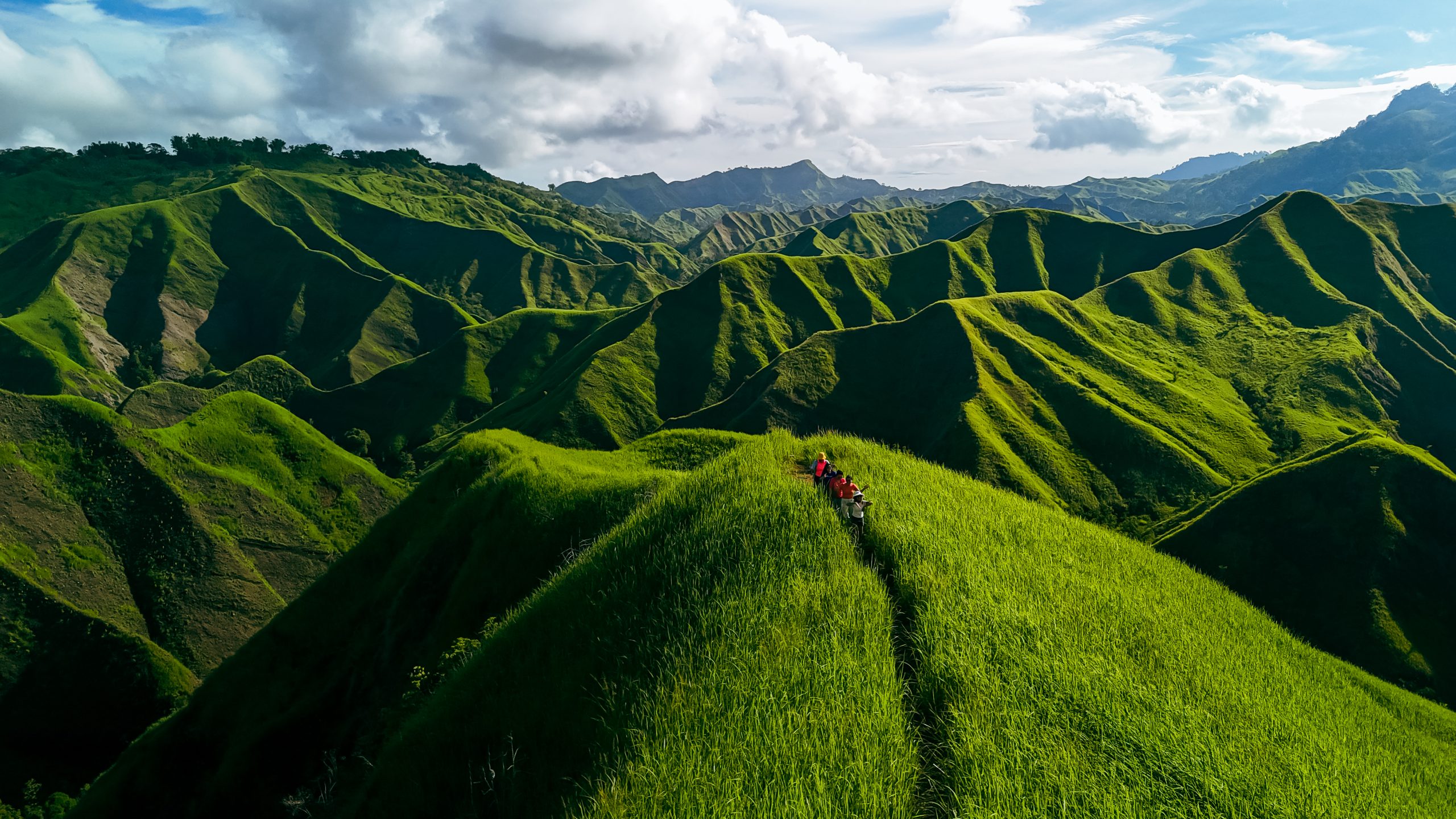
This is the heart of the country's largest coffee-producing province, a landscape of shade-grown forest farms tended by the Manobo and Teduray peoples, who have cultivated and roasted coffee in these mountains for generations.
Explore →Pre-Release Access
Sign up for early access to new launches, limited-edition roasts, and exclusive deals — before they hit the shop.