Mindanao
This is the heart of the country's largest coffee-producing province, a landscape of shade-grown forest farms tended by the Manobo and Teduray peoples, who have cultivated and roasted coffee in these mountains for generations.
A Coffee Rooted in the Rainforests of Sultan Kudarat
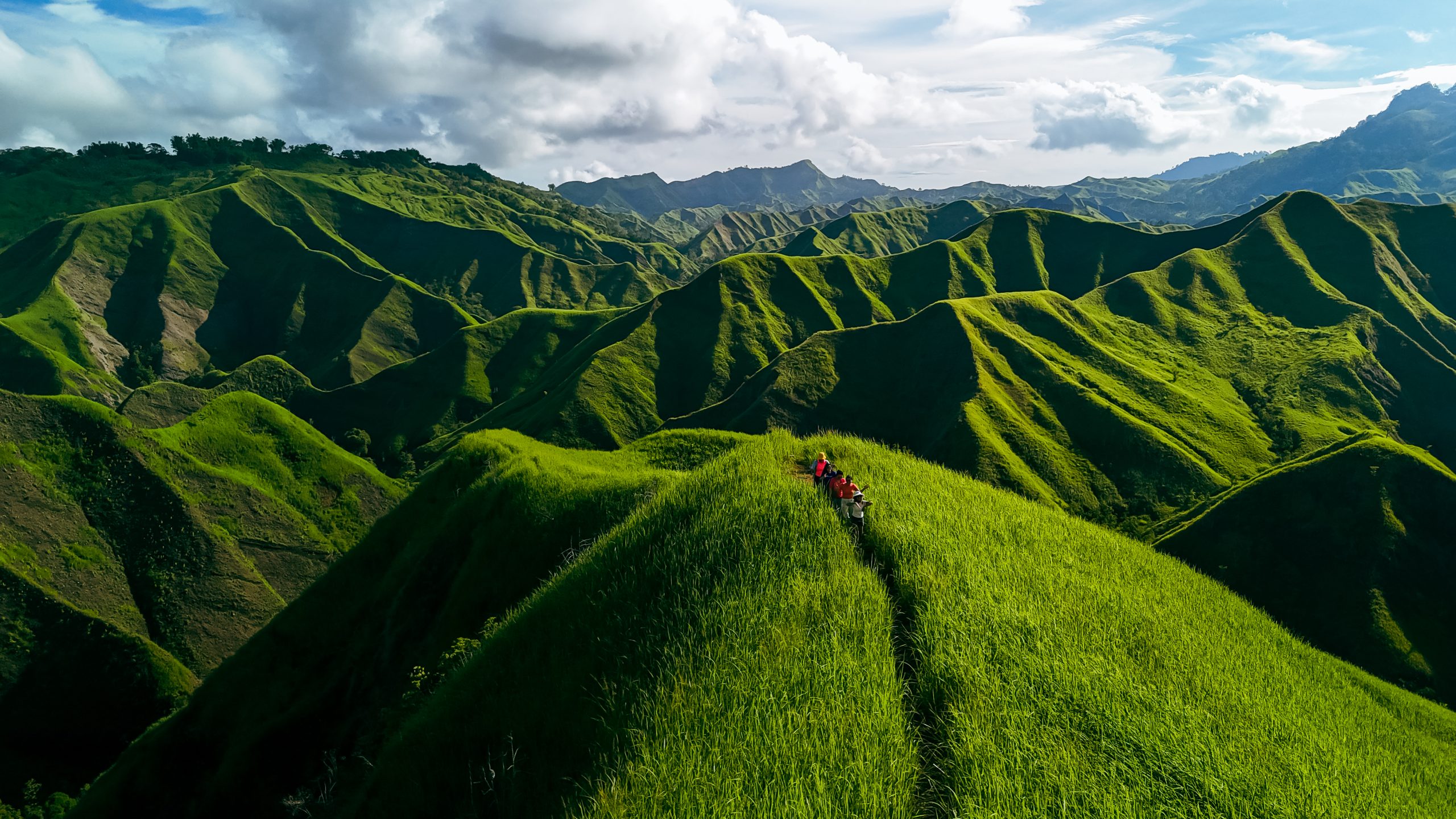
In the Daguma mountain range of Sultan Kudarat, in the SOCCSKSARGEN region of central Mindanao, coffee grows in the highlands around Senator Ninoy Aquino — locally known as Kulaman — and the neighboring municipalities of Kalamansig and Lebak. This is the heart of the country's largest coffee-producing province, a landscape of shade-grown forest farms tended by the Manobo and Teduray peoples, who have cultivated and roasted coffee in these mountains for generations.
The Farmers and Producers
The coffee from this origin is grown by smallholder farmer-families working shaded, forest-edge plots in the Daguma range — land they know intimately, most of it no larger than a few hectares. Coffee has become one of the most sustainable livelihoods available in this part of Mindanao, supporting hundreds of farming households — many of them Indigenous Manobo and Teduray families — and keeping younger generations connected to land their families have worked for decades. Sultan Kudarat is the single largest coffee-producing province in the Philippines, accounting for roughly 35 percent of the country's total production, with the vast majority of it Robusta.
Much of the community here has moved from trading for large companies to becoming independent producers, keeping value in the hands of the people who actually grow the cherry. Farms are typically family-run and organized around producer households and small brands — like the Basco family's Seven R Coffee, founded in 2012 — that handle the full post-harvest chain from cherry intake through pulping, drying, sorting, and hulling, giving farmers control over quality from cherry to exportable green.
Processing here spans the full range of methods: washed, natural, and increasingly experimental. Farmers from this origin have become the most decorated fine-Robusta producers in the country, repeatedly sweeping the Robusta category of the Philippine Coffee Quality Competition (PCQC) — with Rey John Basco of Senator Ninoy Aquino taking the national top placement in 2024 and a citation as the country's best Robusta processor — and carrying that reputation onto the international stage. It's a signal that the community is pushing beyond conventional methods and investing in process innovation.
The Terroir
Elevation: 800–1,200 masl, unusually high for Robusta, in a cool upland belt that slows cherry maturation and concentrates flavor
Soil: Rich, fertile soil across the volcanic-influenced Daguma highlands
Climate: A cool, misty rainforest microclimate shaped by the surrounding Daguma mountain forest
Ecosystem: Grown shade-covered at the edge of the Daguma range, one of Mindanao's important remaining forest landscapes, sharing its habitat with native trees and wildlife
This combination — high-elevation Robusta, fertile highland soil, and forest-shaded farms — is what gives this origin its distinct character. It's not a coffee that could be grown just anywhere.
The Varieties
Sultan Kudarat is first and foremost a fine-Robusta origin, but farmers here cultivate both species across different microplots and elevations:
Robusta (Coffea canephora) — the backbone of the region and of Sultan Kudarat's coffee economy, grown shade-covered at high elevation and increasingly showing up in award-winning fine Robusta lots as quality standards rise.
Arabica — cultivated on the higher, cooler plots of the Daguma range, prized for its sweetness and aromatic complexity.
Catimor — a hardier, disease-resistant Arabica cross grown across parts of the community, often processed washed.
Excelsa and Liberica — traditional Philippine species that also grow in the wider Mindanao landscape, adding to the region's varietal diversity.
Depending on the harvest and the farmer, coffees are processed washed, natural, or experimentally — giving even the same variety a range of expressions from one lot to the next.
The Cup
Across these varieties, expect a cup profile shaped by the terroir and processing of each lot — a fine Robusta that challenges the assumption that the species can't be specialty. Confirmed tasting notes from Sultan Kudarat lots include toast, berries, spice, and raisin from natural-processed fine Robusta, and hazelnut, cacao, passion fruit, and muscovado from others. Some washed lots have shown a cleaner, brighter character, with saba banana, jasmine, and zesty, nutty notes — while top competition lots have scored well into specialty territory, above 86 points.
Keep Exploring
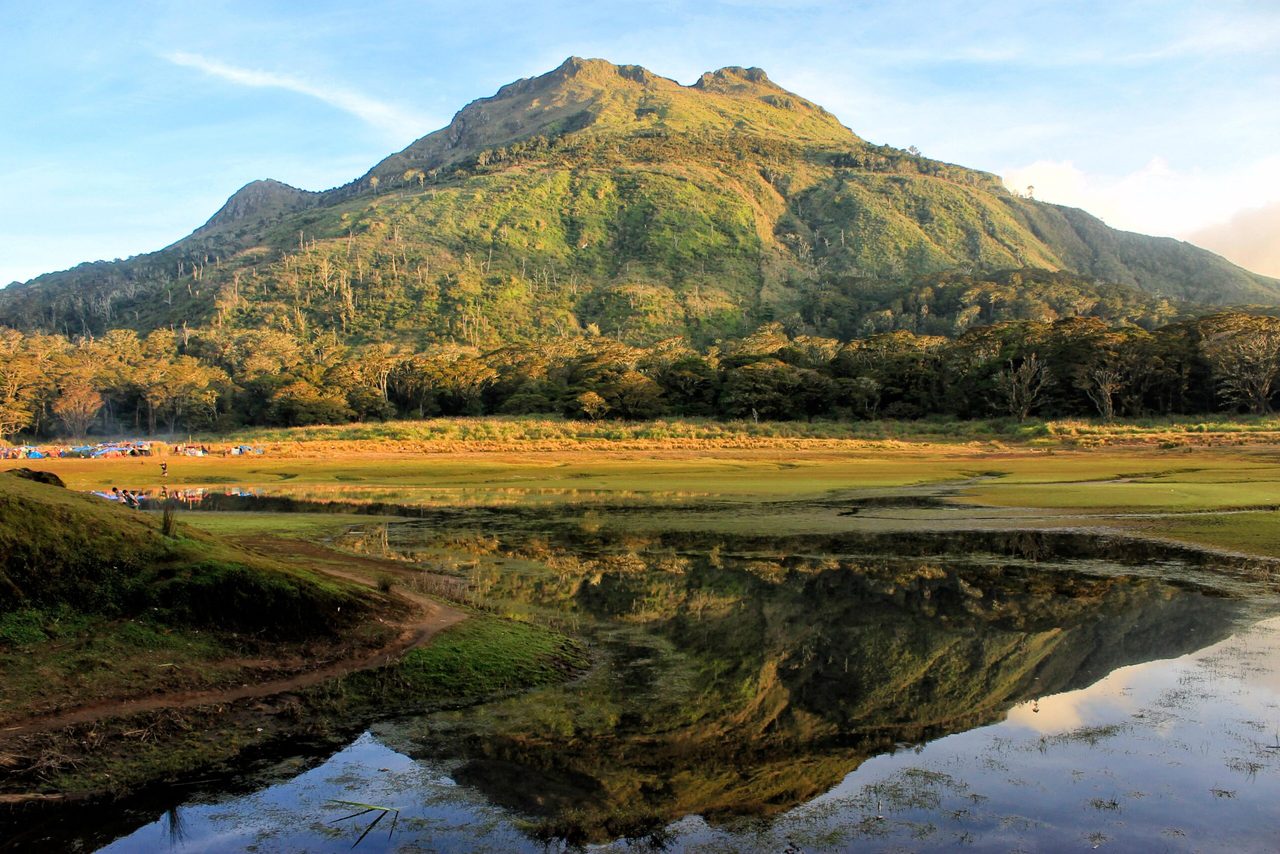
On the volcanic slopes of Mount Apo — at 2,954 meters, the tallest mountain and highest volcano in the Philippines
Explore →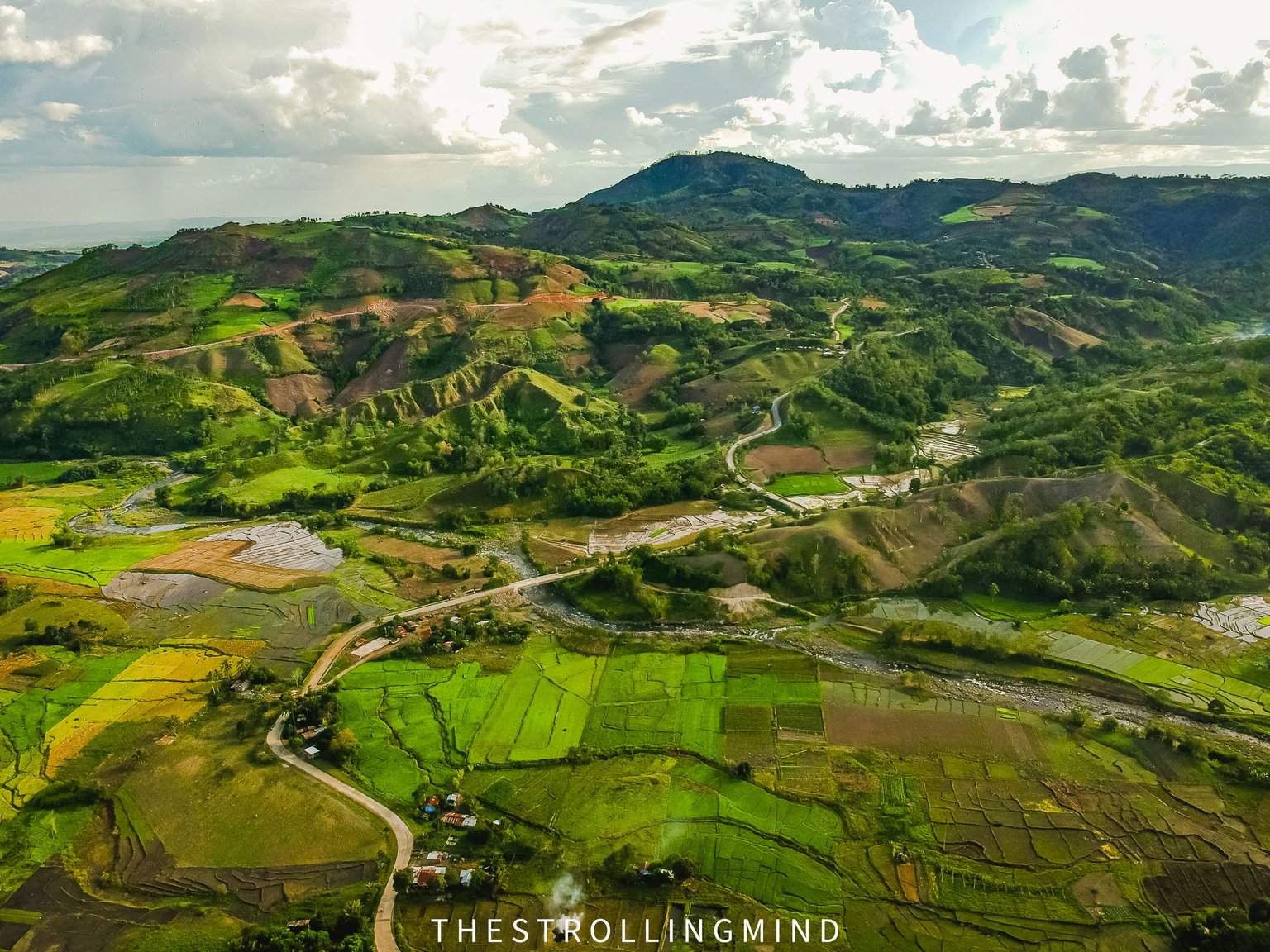
Volcanic soil, biodiverse forest, and Indigenous farming heritage at the foothills of Kalatungan.
Explore →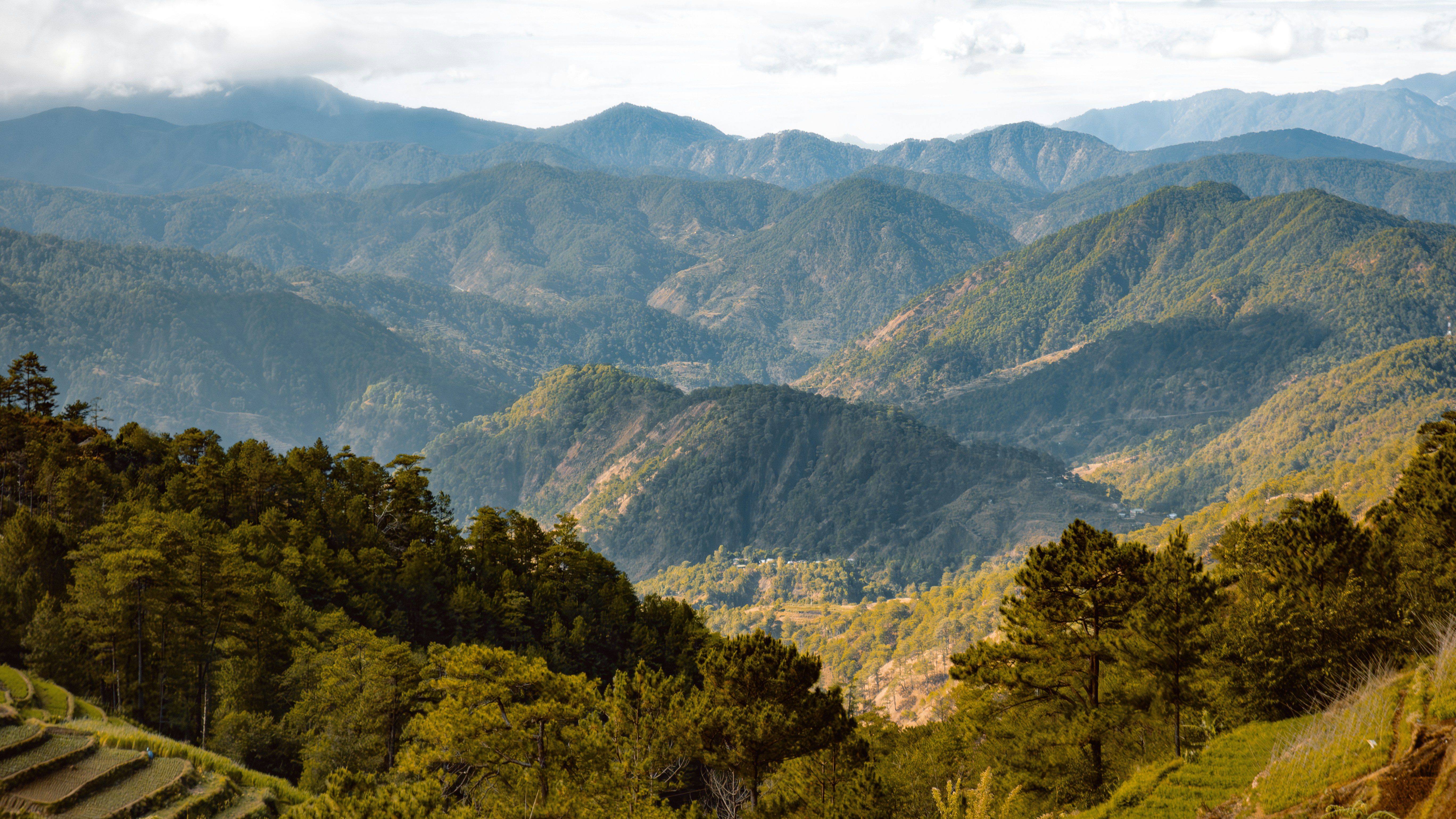
One of the Philippines' oldest Arabica traditions — an Ark of Taste heritage coffee from the Igorot highlands of Benguet.
Explore →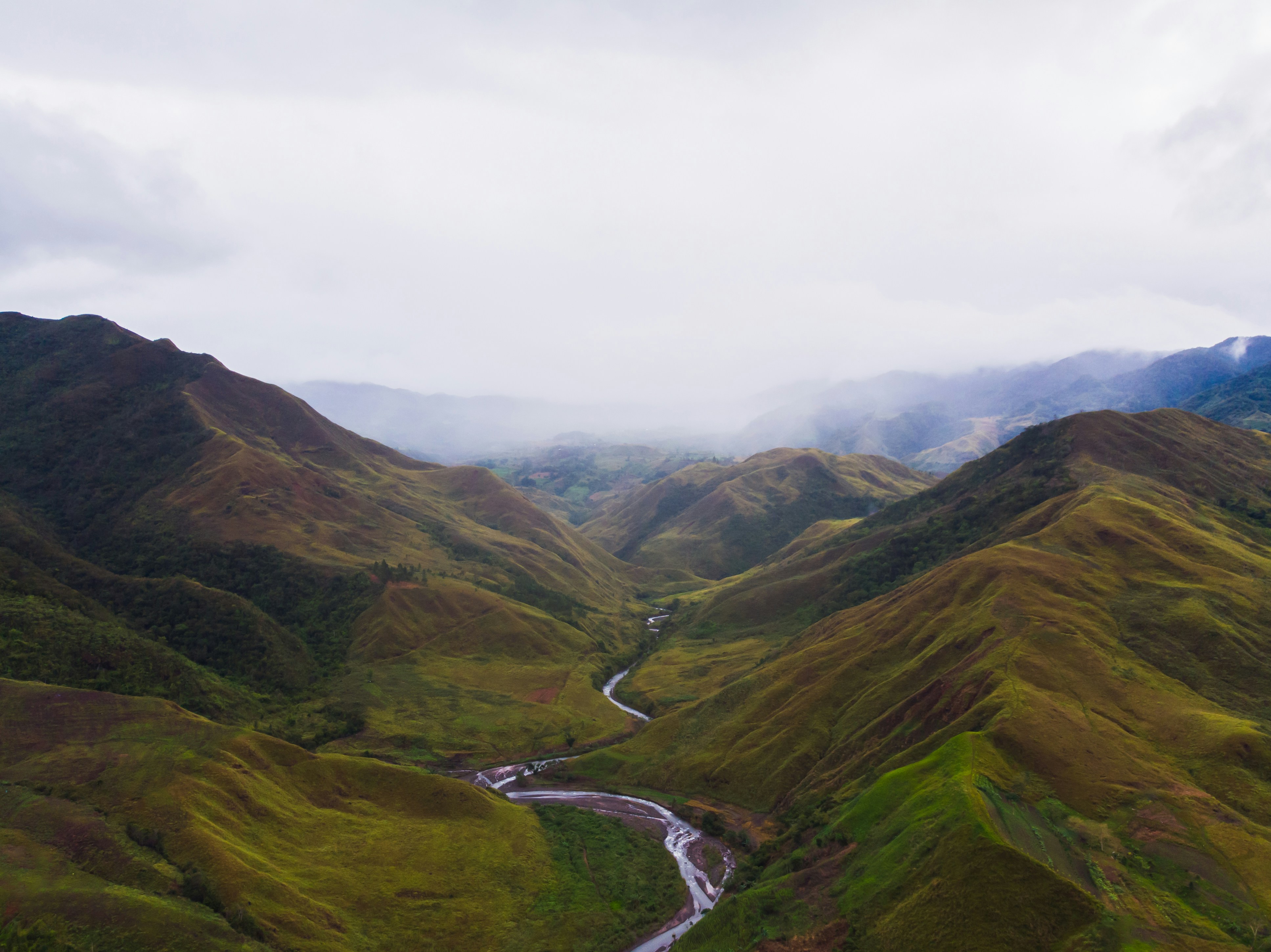
Coffee from the Talaandig ancestral highlands, grown in the sheltered valley between Kitanglad and Kalatungan.
Explore →Pre-Release Access
Sign up for early access to new launches, limited-edition roasts, and exclusive deals — before they hit the shop.