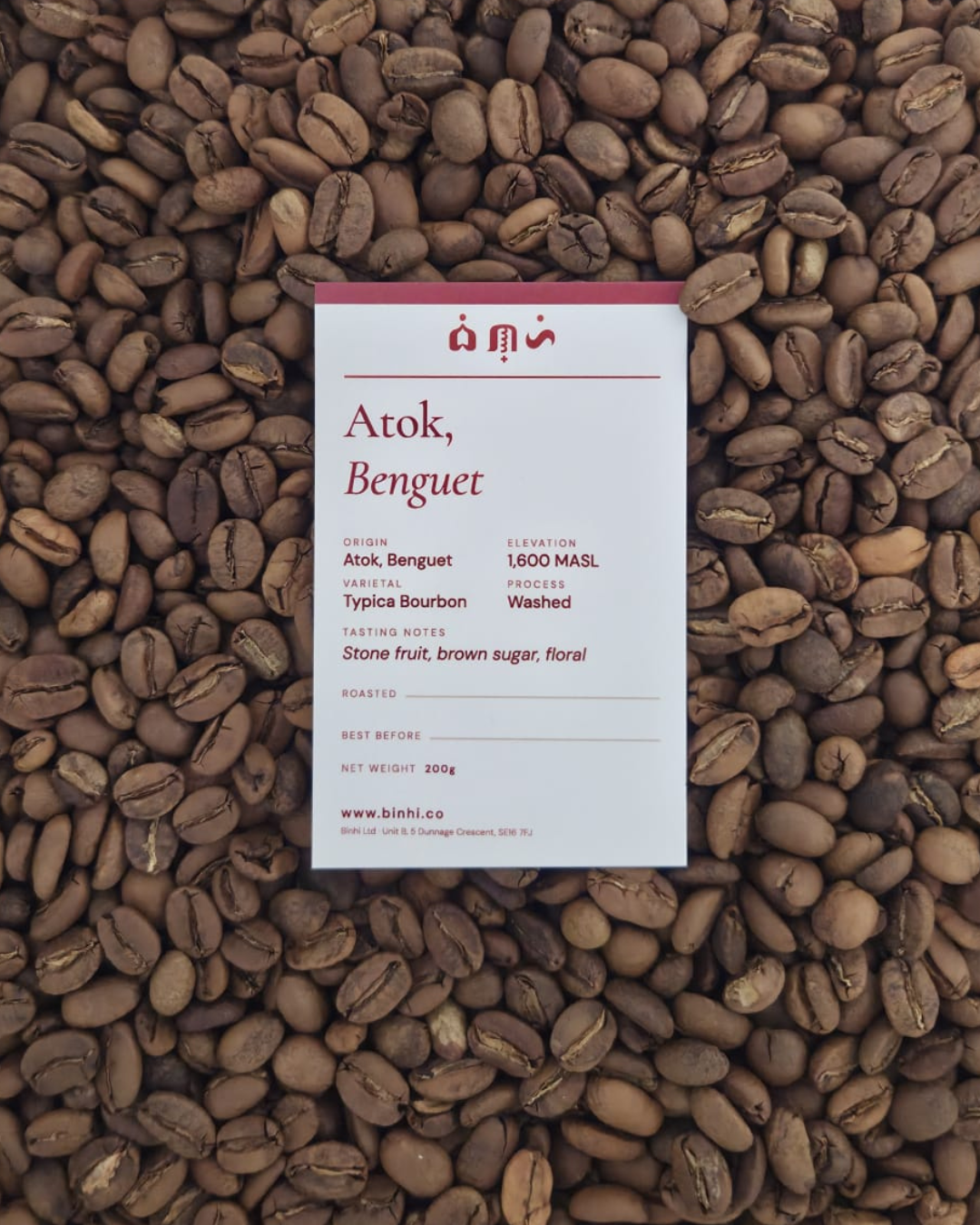
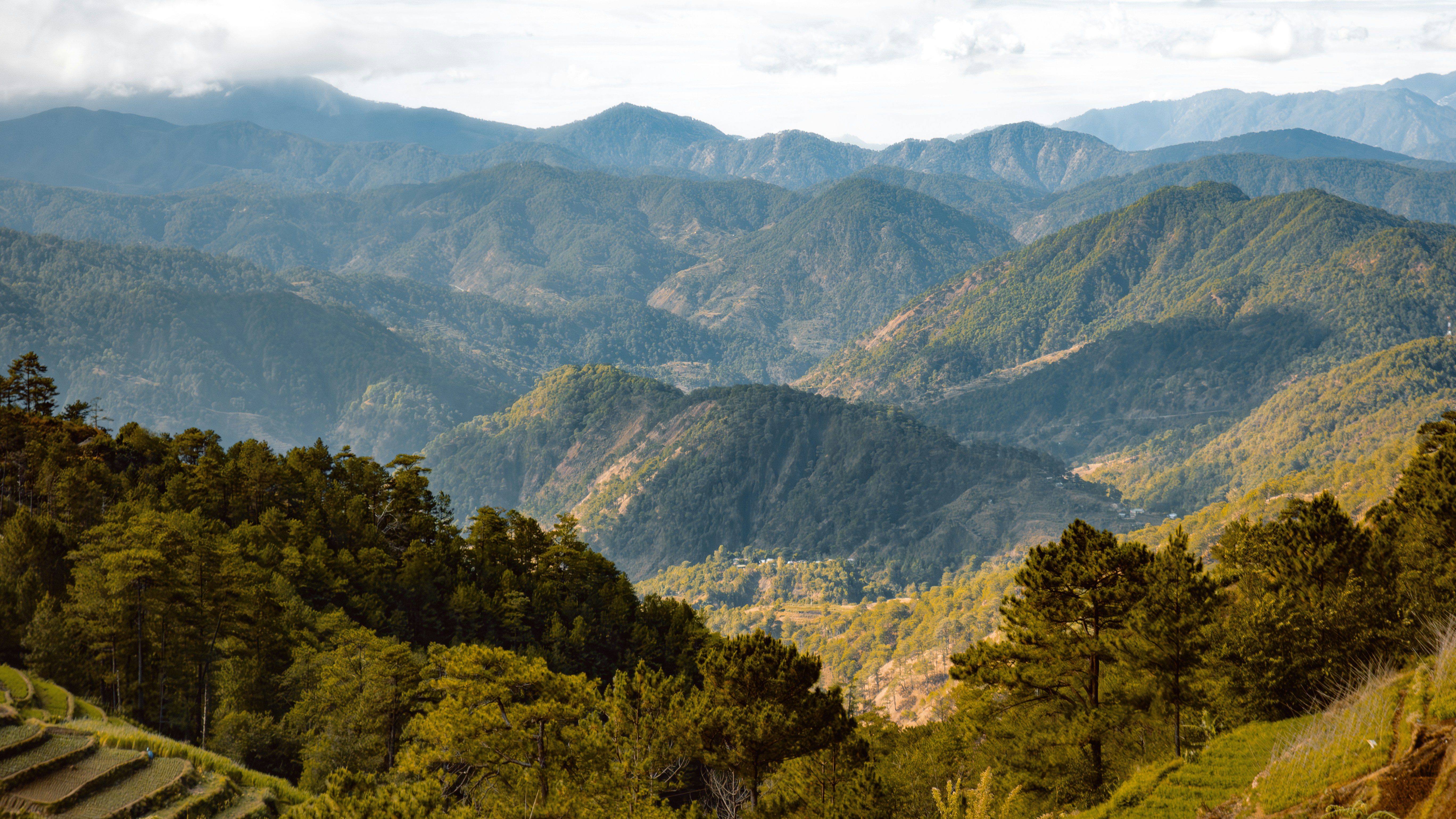
Cordillera Central, Luzon
One of the Philippines' oldest Arabica traditions — an Ark of Taste heritage coffee from the Igorot highlands of Benguet.
Atok is a municipality in Benguet province, in the Cordillera Administrative Region of northern Luzon — a landscape of steep ridgelines, pine forest, and cool mountain air at the heart of the Cordillera Central. Coffee farms here are scattered across the slopes, growing beneath a living canopy of Benguet pine and alnos trees, tended by the Ibaloi and Kankanaey peoples who have farmed this land for generations.
Coffee in Atok is grown primarily by the Ibaloi, with smaller Kankanaey communities — both part of the broader Igorot indigenous group of the Cordillera. Typica Arabica has been grown in the backyards of Igorot families here for generations, originally tended for household use and for sharing with relatives and guests. As specialty buyers began recognising the quality of what these trees were producing, the community scaled from small family plots into a broader cooperative effort.
Farming cooperatives across Atok now coordinate hundreds of growers, handling collective processing through shared service facilities — depulping, sorting, roasting, and milling — giving smallholder families access to post-harvest infrastructure that would be out of reach individually. Most farmers grow coffee as a secondary crop alongside highland vegetables. The farming methods are largely organic, rooted in indigenous land stewardship — working within the existing pine-forest ecosystem rather than clearing it. Coffee is processed both washed and natural, with washed lots from this origin earning recognition at the Philippine Coffee Quality Competition.
Elevation: Key growing areas reported between 1,300 and 1,650 masl
Soil: Mountain soil enriched by centuries of pine-forest leaf litter and organic farming practices
Climate: Cool, cloudy, and high-moisture year-round — the Cordillera highland climate slows cherry maturation and builds density in the bean
Ecosystem: Coffee grows beneath a canopy of Benguet pine (Pinus insularis) and alnos (Alnus) trees, creating a forest-like growing environment rather than open-sun cultivation
The pine-forest canopy is central to what makes this origin work. It moderates temperature, retains humidity during the dry harvest months, and anchors the steep slopes against erosion — a shade system shaped by the landscape itself rather than planted for coffee production.
Atok grows several Arabica varieties, anchored by Typica as the heritage crop of the region:
Typica — the original Benguet variety, adapted to local conditions over generations.
Bourbon — grown across farms in Atok alongside Typica.
Caturra — a compact Arabica variety suited to the area's steep terrain.
Garnica — grown on select farms alongside Typica and Bourbon.
Benguet Arabica as a whole is listed on the Slow Food Ark of Taste as an endangered heritage food — a recognition of the tradition's historical significance and the risk of losing it.
From this origin
Keep Exploring
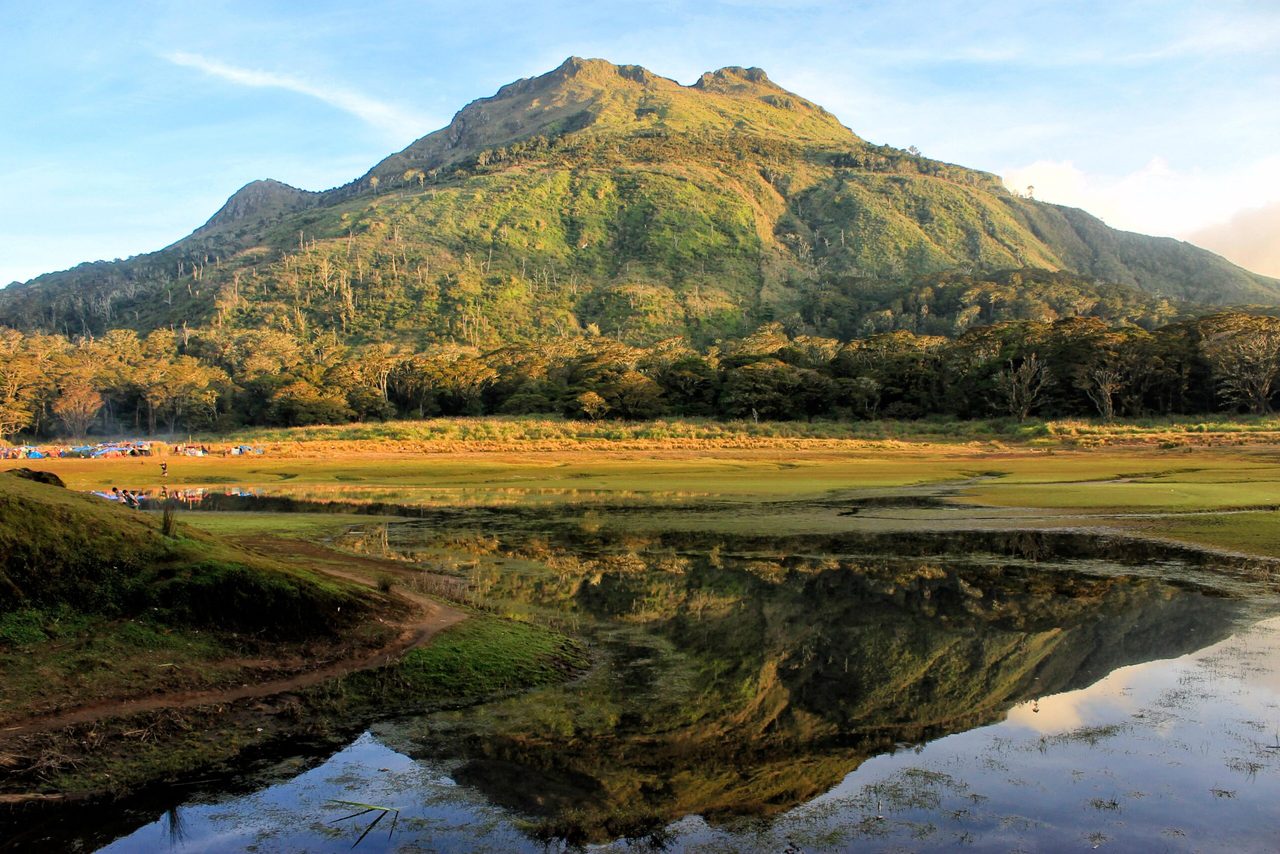
On the volcanic slopes of Mount Apo — at 2,954 meters, the tallest mountain and highest volcano in the Philippines
Explore →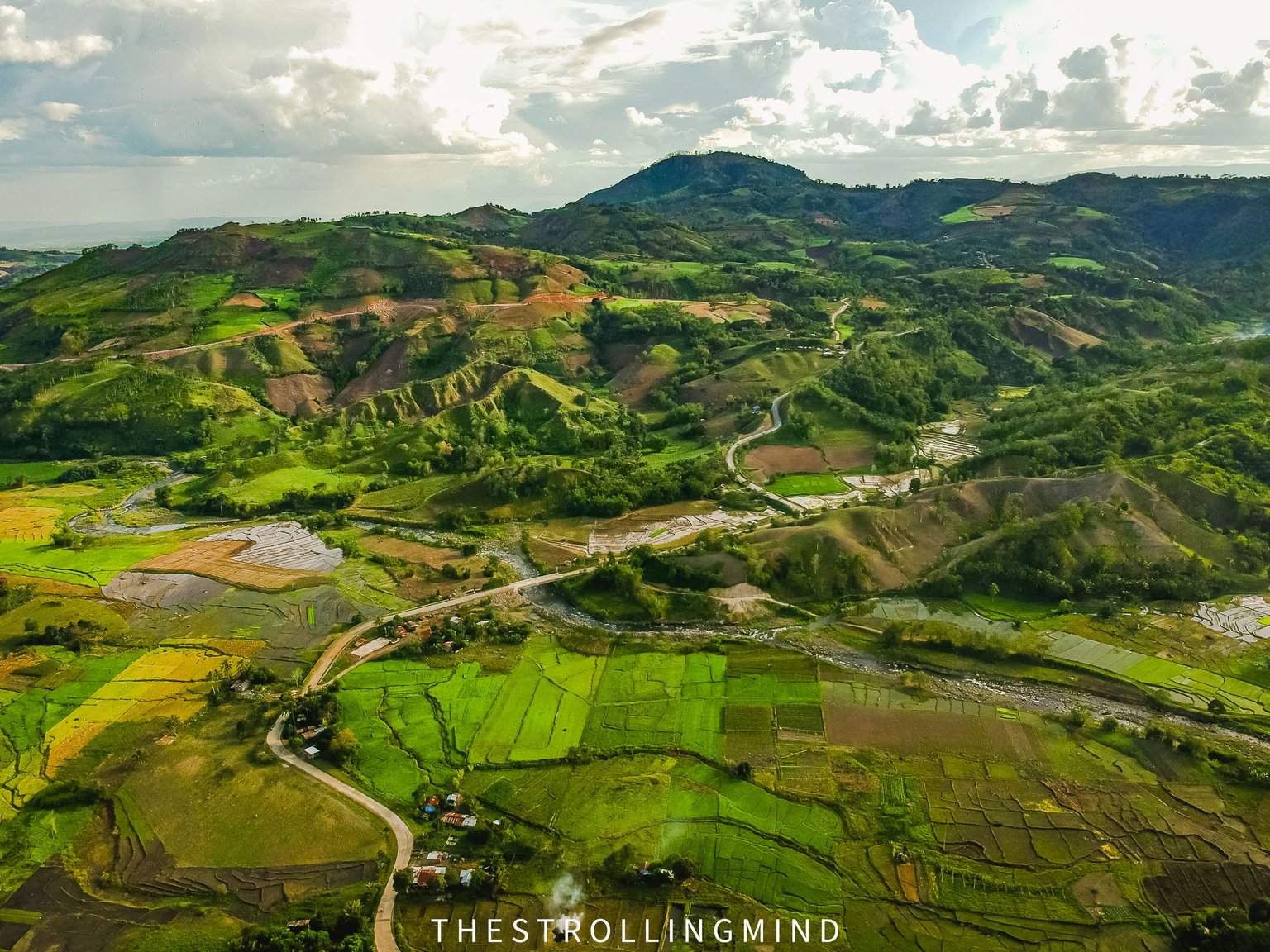
Volcanic soil, biodiverse forest, and Indigenous farming heritage at the foothills of Kalatungan.
Explore →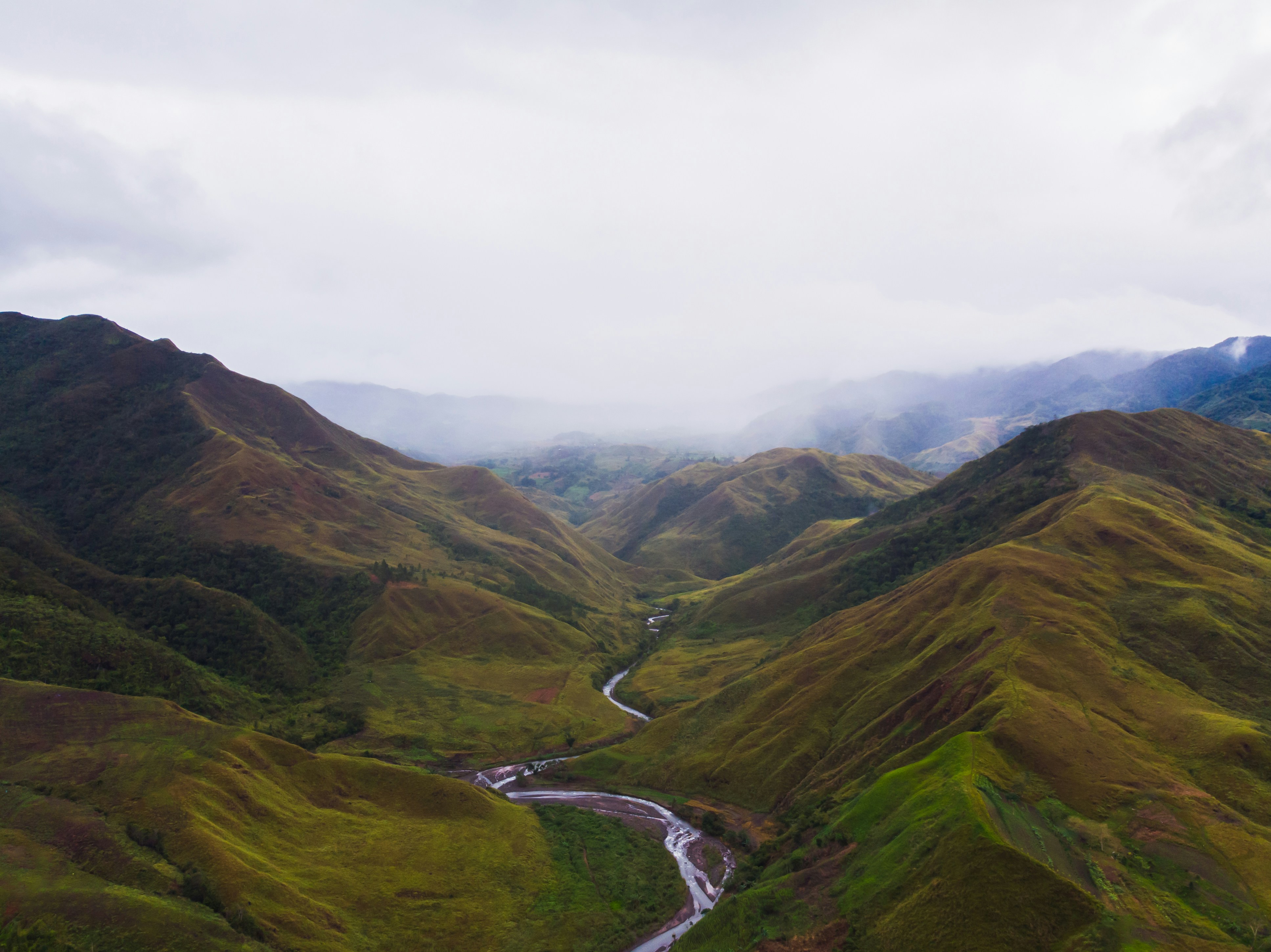
Coffee from the Talaandig ancestral highlands, grown in the sheltered valley between Kitanglad and Kalatungan.
Explore →
This is the heart of the country's largest coffee-producing province, a landscape of shade-grown forest farms tended by the Manobo and Teduray peoples, who have cultivated and roasted coffee in these mountains for generations.
Explore →Pre-Release Access
Sign up for early access to new launches, limited-edition roasts, and exclusive deals — before they hit the shop.