Mindanao
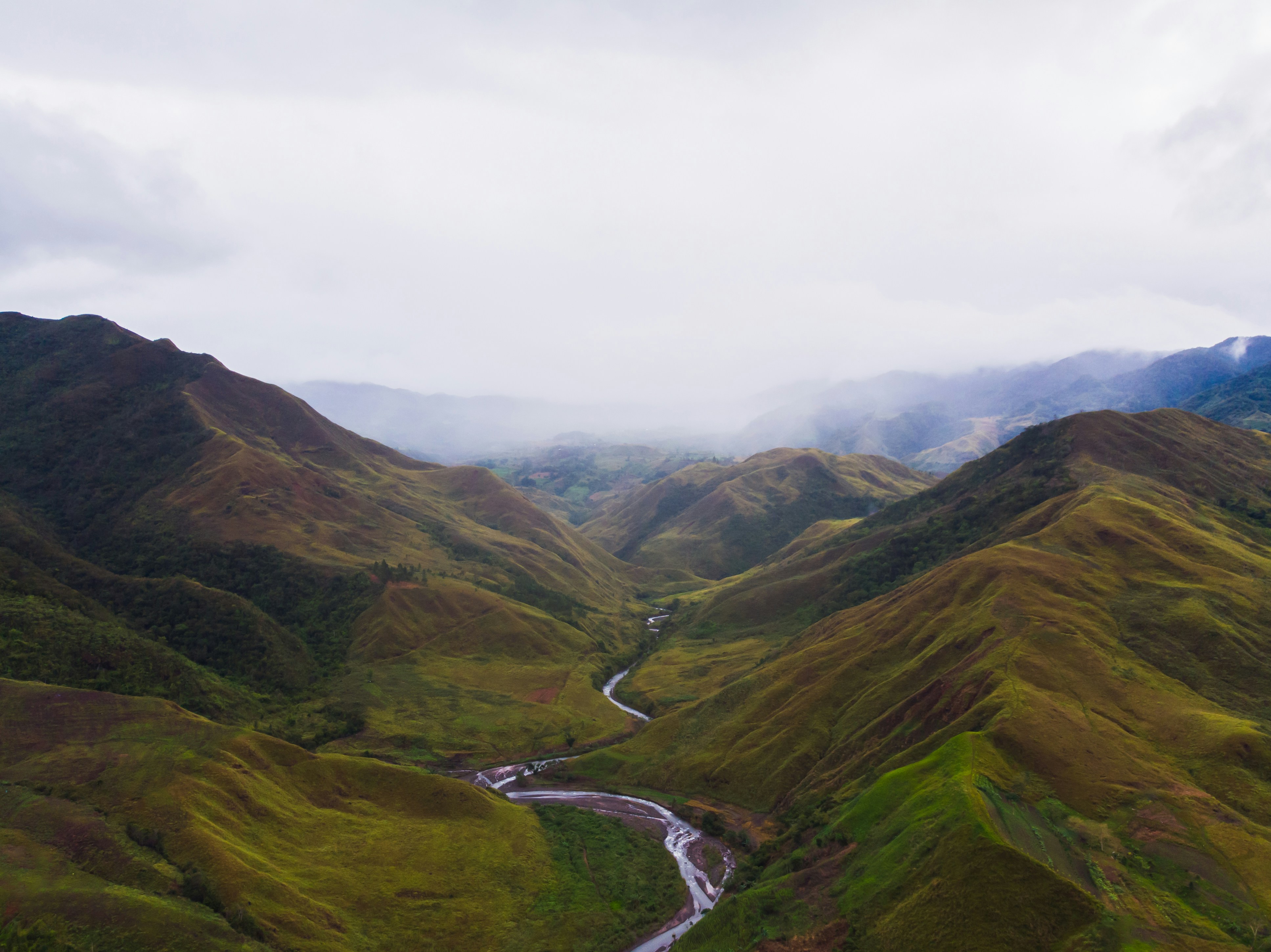
Coffee from the Talaandig ancestral highlands, grown in the sheltered valley between Kitanglad and Kalatungan.
Talakag sits in one of the most striking growing positions in the Philippines — a valley cradled between Mt. Kitanglad and Mt. Kalatungan, two of the country's highest peaks. Coffee farms here, centered around the barangay of Miarayon, occupy the slopes between these two protected ranges.
The area was so remote until recently that government agriculture technicians needed a full day's hike through mountains and river crossings just to reach Miarayon. That isolation helped preserve both the forest ecosystem and the coffee varieties growing within it.
Coffee in Talakag is grown almost entirely by the Talaandig, one of the seven indigenous tribes of Bukidnon. The growing community is organized through a tribal association that governs roughly 8,000 hectares of ancestral domain across five barangays under a Certificate of Ancestral Domain Title (CADT) awarded in 2003. Around 2,500 farming households fall under this domain.
For generations, the Talaandig were primarily vegetable farmers — growing potatoes, cauliflower, carrots, and other high-value crops on the rolling highland slopes. Coffee was grown alongside these crops for household use, but was never the main livelihood. That changed as specialty markets opened up and the quality of Miarayon's Arabica began to earn national recognition. Today, coffee farming exists alongside vegetable production, with many families cultivating both — a pattern that distinguishes Talakag from origins where coffee is the sole cash crop.
The community's farming cooperative manages the full post-harvest chain from cherry intake through processing and milling. It operates a solar-powered processing facility, giving the community reliable, off-grid capacity for depulping, fermentation, and drying even in this remote highland location.
Processing here spans three established methods — washed, natural, and honey — and the community's track record shows genuine command of all three. Their washed lots have earned Best Washed Processed Coffee recognition at the Philippine Coffee Quality Competition (PCQC). Their Typica placed second at the 2019 PCQC with an SCA cupping score of 85.04. And their honey-processed Arabica won the Best Arabica Honey Process award at the 2025 PCQC. Three farmers from this origin placed in the top 10 at the 2025 national competition, with a 4th-place finish in 2023 (SCA score 85.03) — one of the strongest and most consistent competition records of any Philippine coffee-producing community, all from smallholder family farms within an indigenous ancestral domain.
Elevation: 1,200–1,400 masl, in the cool highland belt that slows cherry maturation and concentrates flavor
Soil: Volcanic soil fed by two mountain ranges, rich in nutrients from centuries of forest cover
Climate: Cool highland temperatures year-round, shaped by the twin-mountain corridor that channels moisture and moderates heat
Ecosystem: Farms sit within a protected ancestral domain bordered by old-growth mossy forest, home to the Philippine eagle and other endemic species
The twin-range position is what sets Talakag apart. Rather than growing on the slopes of a single mountain, the coffee here develops in a sheltered corridor between Kitanglad and Kalatungan — a microclimate defined by cooler temperatures, higher humidity, and slower cherry maturation than lower or more exposed origins in the province.
Talakag grows several Arabica varieties, reflecting the diversity of its farming community and the range of microclimates across the hillsides:
Typica — one of the oldest Arabica varieties in the world, producing a clean, delicate cup with natural sweetness.
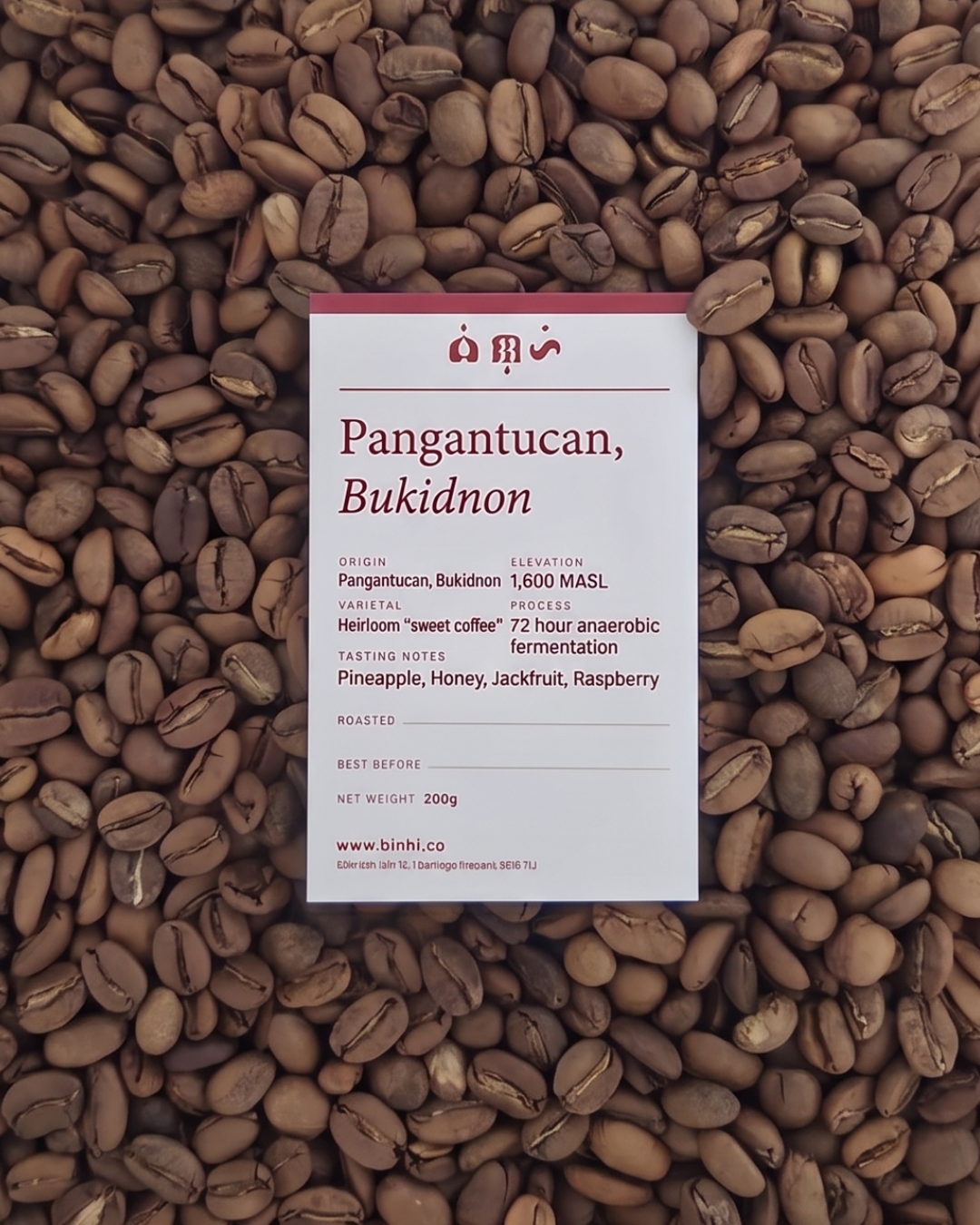
"Sweet Coffee" (Ethiopian Landrace) — a local heirloom variety that has been grown by Talaandig farmers long enough to be considered a heritage crop. How it arrived in these mountains is unknown.
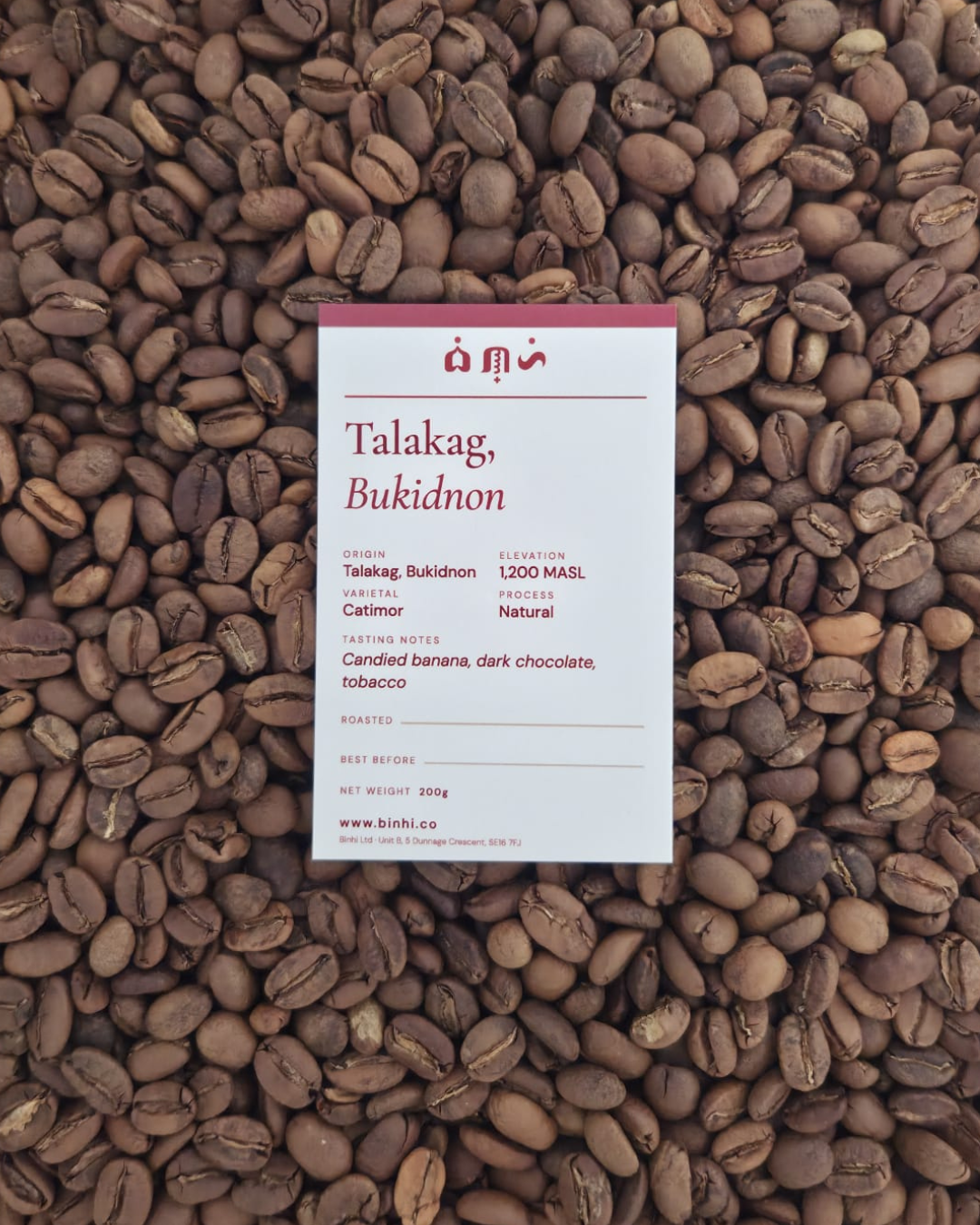
Catimor — a disease-resistant Arabica cross, well-suited to the area's wetter microclimates.
Each variety expresses differently depending on process — washed, natural, or honey — giving this origin a wide range of cup profiles from a relatively compact growing area.
From this origin
Keep Exploring
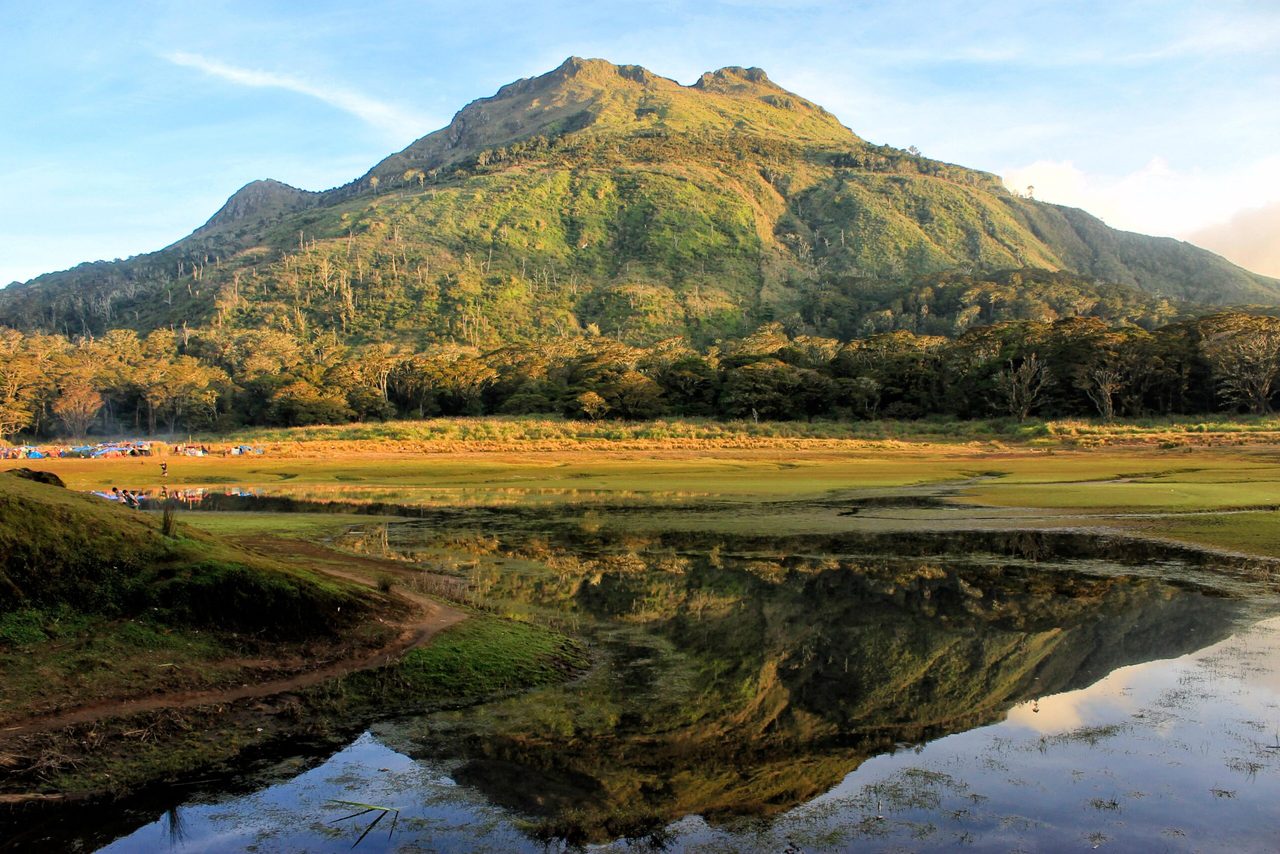
On the volcanic slopes of Mount Apo — at 2,954 meters, the tallest mountain and highest volcano in the Philippines
Explore →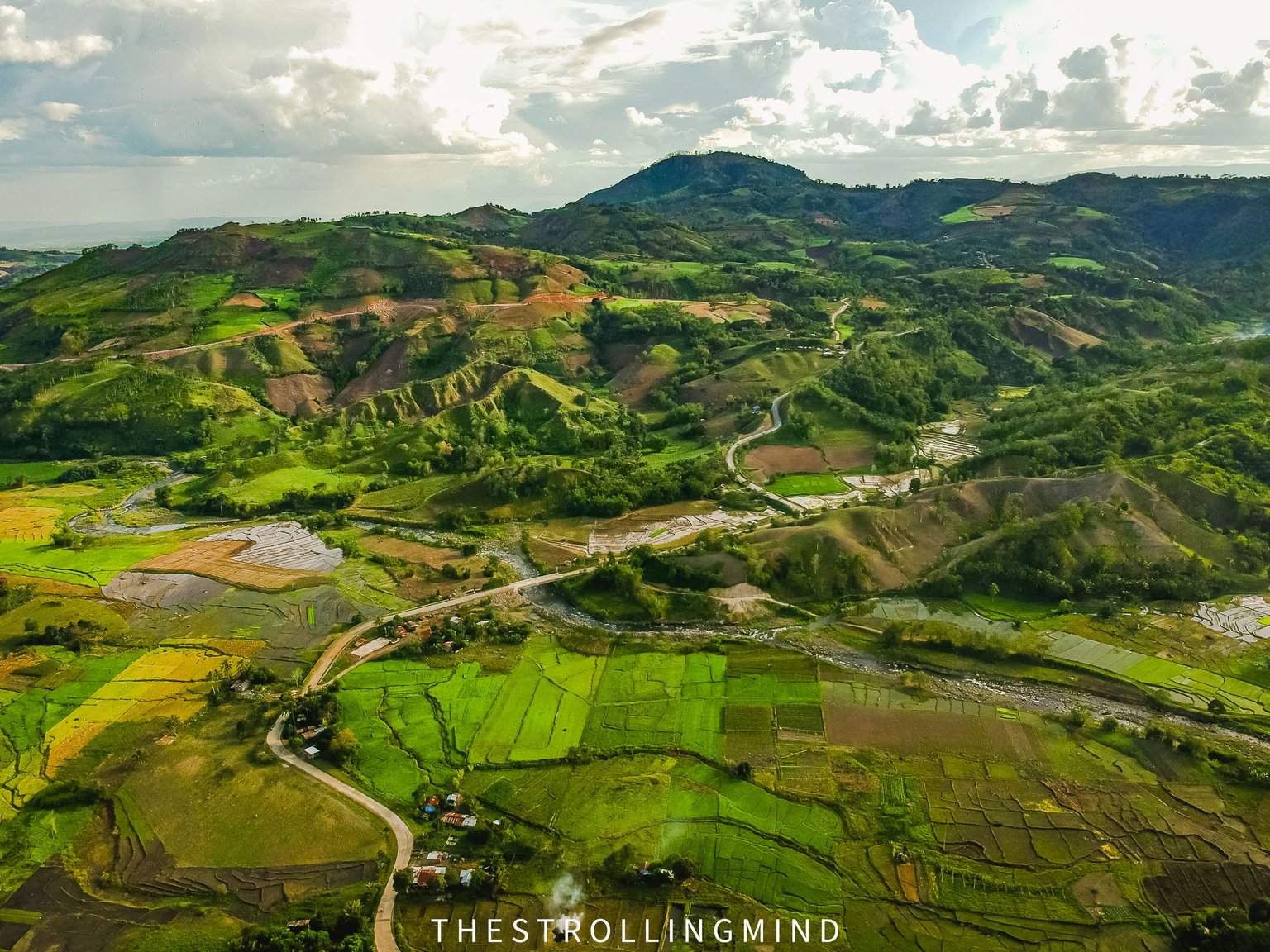
Volcanic soil, biodiverse forest, and Indigenous farming heritage at the foothills of Kalatungan.
Explore →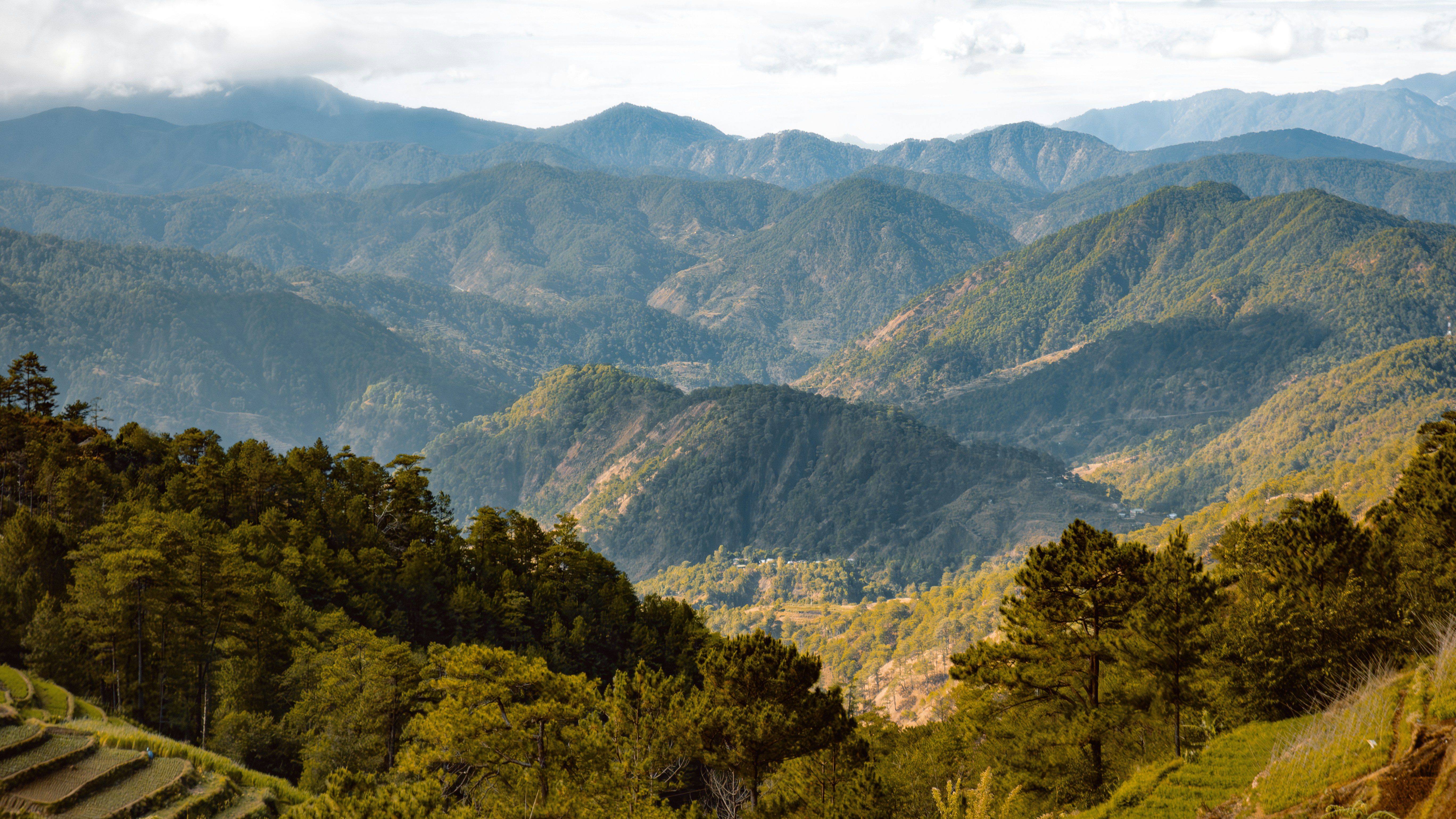
One of the Philippines' oldest Arabica traditions — an Ark of Taste heritage coffee from the Igorot highlands of Benguet.
Explore →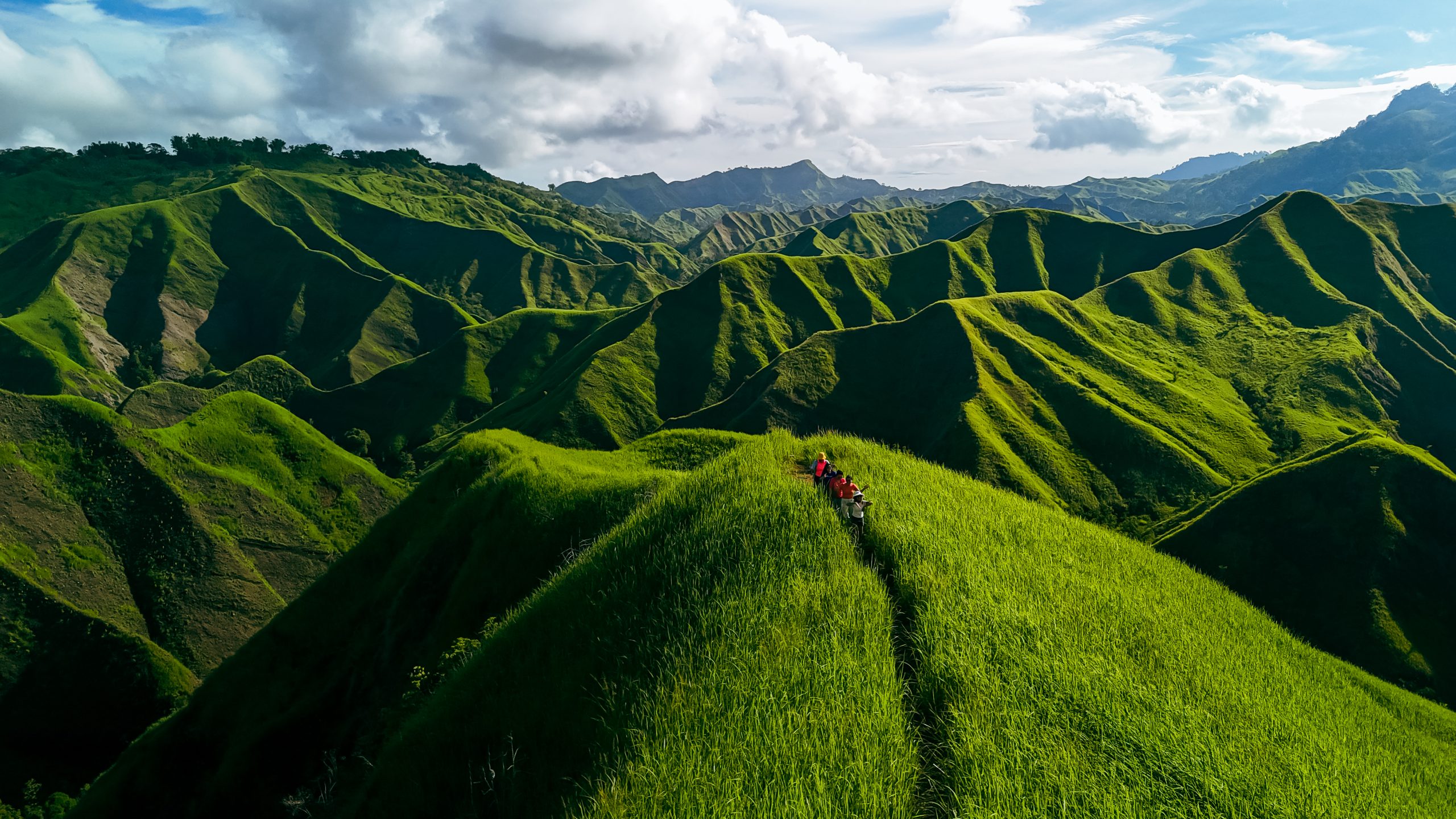
This is the heart of the country's largest coffee-producing province, a landscape of shade-grown forest farms tended by the Manobo and Teduray peoples, who have cultivated and roasted coffee in these mountains for generations.
Explore →Pre-Release Access
Sign up for early access to new launches, limited-edition roasts, and exclusive deals — before they hit the shop.